Cash Advance vs Payday Loan Canada: Key Differences
A broken furnace or an urgent car repair can leave you short on funds before your next paycheque. You might consider a cash advance or a payday loan to cover the cost until payday arrives. These tools serve the same goal but carry very unique terms.
Need short-term funds? Start your online application to see whether an ECash2Go loan fits your needs and repayment plan.
The main choice for a cash advance vs payday loan canada involves how you access the funds and what you pay for them. A cash advance mostly comes from a credit card or line of credit. It uses your unused credit limit and often carries a lower interest rate than other debt. A payday loan is a distinct high-cost loan for up to $1,500 that you must repay within 62 days. As noted by the Government of Canada, payday loans can cost as much as $14 for every $100 you borrow. This makes them more costly than normal credit. Payday lenders often do not need a credit check, making them easier to get if you have a poor credit score or no history.
Picking the right tool depends on your credit status and how fast you can pay. You must know which path offers the best terms for your exact case. We will look at Cash advance vs payday loan Canada: the key difference to help you decide. The comparison begins with the key difference.
Cash advance vs payday loan Canada: the key difference
Many Canadians use the terms cash advance and payday loan to mean the same thing. While both provide quick funds for a short time, they often come from different sources and follow different rules. A payday loan is a high-cost loan for up to $1,500 that you must usually repay within 62 days. A cash advance can mean a small loan from a lender or money you take from your credit card.
How payday loans work
In Canada, payday loans are regulated by each province or territory. These loans are designed to be a bridge until your next paycheque. You can borrow up to $1,500, and loans that do not rely on a credit check are often available through this path. Lenders typically set your payment dates to match your work schedule so the money comes out of your account as soon as you are paid.
The cost of these loans is capped at $14 for every $100 you borrow, according to federal budget rules. Because these loans are meant for very short periods, the annual interest rate can be much higher than a standard bank loan. It is important to confirm your lender is licensed in your province before you sign any deal.
The types of cash advances
A cash advance in Canada can take two main forms. The first is a credit card cash advance, which lets you withdraw cash from an ATM using your card. This often comes with a small fee, such as $5, plus an interest rate around 23%. The second type is an online advance from a lender like ECash2Go. These are often used for understanding cash advances as a way to cover a sudden bill or emergency.
Online cash advances often have simpler rules than credit card advances. They focus on your income and job history rather than just your credit score. This makes them a helpful choice for people who need funds fast but do not have a large credit limit. Both options require you to have a steady job and a bank account to receive the funds.
Comparing your loan options
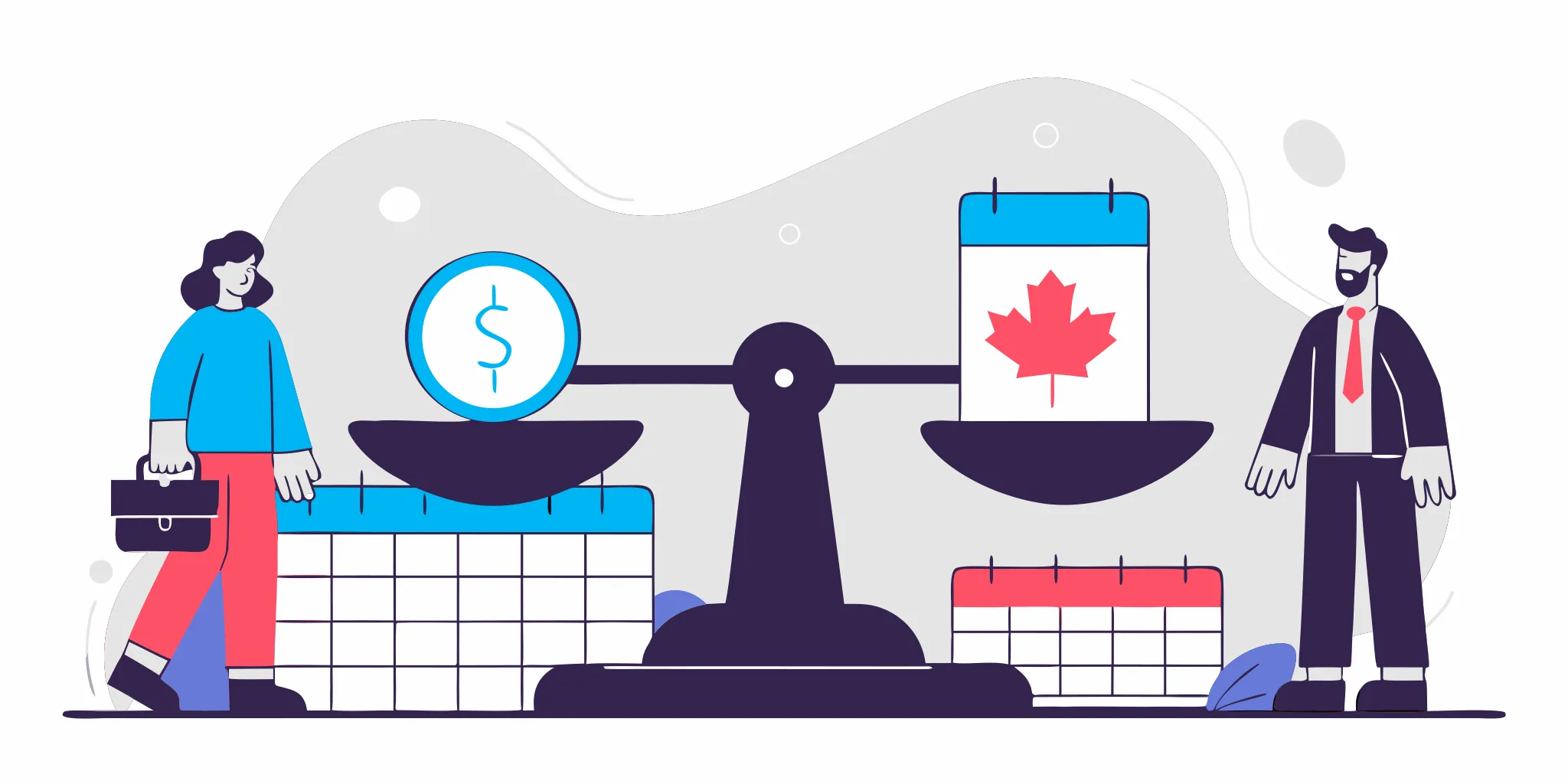
Choosing between these two depends on how much you need and how fast you can pay it back. Payday loans are strictly for small amounts and very short terms. Cash advances from a credit card might be cheaper if you pay them off quickly, but they can be harder to get if you have bad credit. A comparison table can help you see which choice fits your current financial need.
| Feature. | Payday Loan. | Cash Advance. |
|---|---|---|
| Maximum Amount. | Up to $1,500. | Varies by limit or lender. |
| Repayment Term. | Up to 62 days. | Flexible or next payday. |
| Credit Check. | Usually not required. | Depends on the source. |
| Typical Cost. | $14 per $100 borrowed. | Fee plus interest. |
| Regulation. | Provincial rules. | Federal and bank rules. |
Before you borrow, always check that you can pay the money back on time. Missing a payment can lead to extra fees and more debt. If you are in a tight spot, how cash advances work can give you the speed you need to move forward without a long wait.
What does cash advance mean in Canada?
In Canada, a cash advance is a way to get money fast before your next payday. It is a type of short-term loan that helps when you have an urgent need or a small bill to pay. People use this term for two main things: taking cash from a credit card or getting a small online loan. Both ways give you quick cash, but they work in different ways and have different costs. Knowing how they work helps you make the best choice for your budget.
Credit card cash outs
A credit card cash advance lets you take cash from an ATM or a bank using your credit card. This is not like a normal buy where you have time to pay it back without interest. When you take out cash, the bank starts charging interest right away. Most banks also charge a flat fee for this service. For example, a common cost is a $5 fee plus a yearly interest rate of 23%.
You must be careful with these because the high interest builds up fast. Since the interest starts on day one, the debt grows every day until you pay it off. Most credit cards also have a limit on how much cash you can take. This limit is often lower than your total credit line. It is best to use this only when you cannot use your card for a direct buy and need cash in hand.
Short-term cash advance loans
Online short-term cash advances are another common choice in Canada. These are small loans that you pay back when you get your next paycheque. Many lenders provide these through a quick online form. You can often get how no-credit-check borrowing works if you have a steady job and a bank account. This makes them a good bridge for people who need funds but have a low credit score.
These loans are meant to be paid back within a short time, usually a few weeks. In Canada, federal rules cap the cost of these loans at $14 for every $100 you borrow. This helps keep the costs from getting too high. When learning about these loans, you should know that they are for small gaps in your cash flow, not for long-term debt.
Comparing cash advance vs payday loan canada
Many people ask about the difference when they search for a cash advance vs payday loan canada. In many cases, these terms mean the same thing. They both refer to small, short-term loans that you pay back on your next payday. However, some people use "cash advance" to mean taking cash from a card and "payday loan" for an online loan. Both help you bridge the gap until you get paid again.
No matter which one you choose, it is important to check the rules in your province. Licensed lenders in Canada must follow local laws that limit fees and interest. You should always check if a lender has a license before you sign. This ensures you are getting a fair loan that follows government rules. For more help, you can look at our guide to how cash advances work to see which option fits your needs.
How does a payday loan work?
A payday loan is a short-term tool for fast cash. In Canada, you can often borrow up to $1,500 at a time. These loans are meant to help with small, urgent needs. You often have to pay the full amount back within 62 days. Most lenders expect you to pay them back when you get your next paycheque. Because they are short-term, they are seen as high-cost credit. You should only use them for sudden needs. Many people check a cash advance vs payday loan canada to find the best way to bridge a gap until payday.
- Loans are usually for small amounts up to $1,500.
- You pay the money back on your next pay day.
- Most loans last for 62 days or less.
- Funds are often sent via INTERAC e-Transfer.
Rules for payment and borrowing
The way you pay back a payday loan is simple. The lender will match your loan payments to your work pay dates. This means the money is due when your next deposit hits your bank account. You can find out more about how cash advances work to see the common steps. Lenders in Canada must follow the rules of the province where they work. For instance, most provinces have a cap on how much a lender can charge you in fees. The main leaders have worked to cap loan costs at $14 for every $100 you borrow. This keeps costs from going too high for the user.
Province laws and licensing
Each province in Canada has its own set of rules for payday loans. These laws protect you from unfair fees. Before you sign any papers, make sure the lender has a license in your province. A licensed lender must follow the law and show you all costs upfront. If you live in an area with fewer rules, you should be extra careful. Using an online lender can be fast, but you must still check their status. You should also look at other ways to get funds, like ECash2Go loan eligibility guide that fits your budget. Always check that you can pay the loan back and still cover your rent and food.
The loan paper details
The loan paper is a key part of the process. This paper shows the exact amount you are borrowing and the total cost. It will list the fees, the yearly interest rate, and the date you must pay it back. You must read the whole paper before you agree to the loan. It tells you what happens if you cannot pay on time. If you miss a payment, the lender will add more fees and interest. This can make your total debt grow fast. Clear terms help you stay in control of your money. A good paper will also explain how the lender uses your data. Checking the contract helps you avoid surprises and ensures you know the full cost of the debt.
Which option costs less?
When you need quick cash, you likely want to find the best deal. Choosing between a cash advance vs payday loan canada often comes down to the total cost. Each choice has its own set of fees and rules. To pick the right one, you must look at the dollar amount you will pay back. This helps you see which path fits your budget best.
Breaking down payday loan fees
Payday loans have a clear cost structure. In many parts of Canada, the law sets a cap on these costs. For every $100 you borrow, the cost of borrowing is often capped at $14. This means if you get a $300 loan for two weeks, you will pay about $42 in fees. This fixed fee makes it easy to know exactly what you owe when your next paycheque comes.
These loans are meant for short terms. You usually have up to 62 days to pay them back. But most people pay them off on their next payday. If you do not pay on time, the costs can go up fast. You might face extra fees or interest that grows your debt. It is key to have a plan to pay it back before you sign for the funds. Checking your bank balance can help you avoid a fee if the payment does not go through.
Costs of credit card cash advances
A credit card cash advance works in a new way. Most banks charge a flat fee for the service. This fee is often around $5. But the real cost comes from the interest rate. Many cards charge a yearly rate of about 23% for cash. Unlike a regular buy, interest on a cash advance starts right away. There is no grace period, so the debt grows every day you hold it.
If you only need a small amount for a few days, this might cost less in total. But if you keep the debt for a month or more, the interest adds up. You should also check if your bank has extra fees for using an ATM. These small costs can make a big shift in the total amount you pay. For a deeper look, try understanding cash advances and how they match other tools.
Looking at the total dollar amount
Speed is a big factor when you need help with bills. At ECash2Go, we send funds in 10 minutes via INTERAC e-Transfer. But you should always think about the cost alongside the speed. A payday loan may seem like it costs more because of the flat fee. However, the clear price can be better for some than interest that grows daily. You know the exact cost from the start.
Lenders must tell you all the costs before you take the money. This is called a disclosure. It includes the total fee and any late charges. Always read these facts to avoid a surprise later. If you are worried about your credit, you can look for options for borrowers with bad credit. These options focus on your income rather than your past score. Pick the one that lets you cover your needs without making your money stress worse.
How do eligibility and approval differ?
When you look for a cash advance vs payday loan in Canada, the first step is to see if you qualify. Eligibility is about the rules you must meet before you can apply. Approval is the final choice a lender makes after they check your facts. Even if you meet the basic rules for a loan, a lender still needs to review your pay and job history to give you a green light.
Who can apply for a loan?
In Canada, payday lenders have clear rules for who can get a loan. To apply with ECash2Go, you must be a Canadian resident who is at least 18 years old. You also need a stable job where you get paid by direct deposit. Most lenders want to see that you have been at your current job for at least four to six months.
Many people search for the no-credit-check application process if they have a low credit score. Payday loans and cash advances often do not need a standard credit check. Instead, lenders look at your pay to see if you can pay back the debt. This focus on your paycheque helps more people get the funds they need for a quick emergency.
How the approval process works
Once you meet the basic rules, you can start the application. Modern lenders use auto systems to check your info fast. These tools help make sure the loan meets local laws while giving you a quick answer. ECash2Go can provide an answer in minutes. If the lender says yes, you can get up to $1,500 sent to your bank account. We use INTERAC e-Transfer to send funds within 10 minutes of your final approval.
It is key to know that being eligible does not mean a loan is for sure. Every application must pass safety checks. Lenders look at how much you earn and how often you get paid to set your loan limit. Before you borrow, you should make sure you can pay the loan back on time. This helps you avoid extra fees and keeps your debt low. You can get a loan by filling out our simple online form to see if you qualify now.
How to choose between a cash advance and payday loan
Picking between a cash advance vs payday loan canada often comes down to cost and speed. Both options give you quick funds for an emergency. But they have other rules and fees. You must know how each one works before you sign a deal. Making the right choice can help you stay on track with your money.
Most people in Canada look for these loans when they face a surprise bill. You might need to fix your car or pay a late utility fee. In these cases, you want to find the best way to bridge the gap until your next pay day. By reading our guide on understanding cash advances, you can see how these short-term tools fit your budget.
Understand your cash needs
Before you borrow, you must know exactly how much you need. Small loans can be helpful, but they come with high costs if you take more than you can pay back. A payday loan in Canada is usually capped at $1,500. It is often meant to be paid back within 62 days. You should also think about how fast you need the cash. Some online lenders can send funds in just a few minutes.
You should also look at other options. The government says that things like a credit card cash advance or a line of credit are usually less expensive. These options often have lower interest rates than a standard payday loan. You can learn more about how payday loans work and their costs from the Financial Consumer Agency of Canada.
The step-by-step choice framework
Follow these steps to make a smart choice for your wallet. This plan helps you look at the facts and avoid debt traps.
- Check the amount and timing. Only borrow what you need to cover the quick cost. If you need the money right now, check which lender can send it the fastest.
- Check the total dollar cost. Look at the fees and interest for both options. A payday loan might cost $14 for every $100 you borrow, while a cash advance has its own fee setup.
- Check your next budget. Make sure you will have enough money left to pay for your rent and food after you pay back the loan. Paying back payday loans usually happens on your next payday.
- Read the loan deal. Read the fine print to find any hidden fees. In Canada, lenders must follow provincial rules that cap the cost of borrowing.
- Find no credit check loans. If your credit score is low, you might need borrowing without a traditional credit check. These lenders focus on your income rather than your past credit history.
If you live in Canada and have a steady job, you have many ways to get quick funds. At ECash2Go, we help you get the money you need with a simple online form. You can use our fast system to Get A Loan and receive your funds via INTERAC e-Transfer in as little as 10 minutes.
When should you pause before borrowing?
Short-term loans can help when you have a bill due but no cash on hand. Both paths in the cash advance vs payday loan canada choice offer quick help for tight spots. But you should stop and think if you feel stuck. It is vital to check your budget first. You must be sure you can pay the funds back on time while still paying for your daily needs.
Signs of a debt loop
One big red flag is taking a new loan to pay off an old one. This often leads to a debt loop that is hard to break. If you find yourself taking loans every month just to get by, it may be time to stop. These loans work best for one-time needs, not as a long-term fix for your money. If you can't see a way to pay the full sum on your next payday, you should wait.
High costs and unclear terms
You should pause if the lender does not show you the full cost of the loan. In Canada, payday loans can cost up to $14 for every $100 you borrow. Before you sign, check that the firm has a license to work in your area. If you do not pay on time, you will face more fees and interest charges that add to your debt. It is key to have an understanding cash advances before you sign.
Privacy and paying back
Do not share your bank info with sites you do not trust. A good lender will never press you to sign a deal right away. If you feel pushed to take more money than you need, you should walk away. Always read the whole loan paper before you agree to any terms. Take your time to find a lender that is clear about how they work and who they are.
A safe loan should not leave you with less money for food or rent. If the payments will take up too much of your pay, it is not the right time to borrow. Many ways to request a loan with bad credit are easy to get, but they still need to be paid back. Ask yourself if the cost of the loan is worth the fix. If the answer is no, then pausing is the smartest move for your cash.
Look for signs that the site is safe. Safe sites use locks and show where they are based. If a site looks odd or asks for too much info, stay away. Saving your own data is as vital as handling your cash. Only deal with firms that have a clear name and good words from other people.
Frequently Asked Questions
Is a cash advance the same as a payday loan in Canada?
No. A cash advance often comes from a credit card or a bank account. A payday loan is a small loan for up to $1,500. While both give you quick funds, they have their own rules. Based on info from the Government of Canada, a payday loan must be paid back within 62 days. Credit card cash advances may have other rates and fees. You should check the cost of each choice before you borrow money.
Are payday loans illegal in Canada?
No, they are legal. Each province has its own rules for these loans. Lenders must follow the laws in the area where they work. For example, the Financial Consumer Agency of Canada states that lenders must be licensed by the province. Most provinces also set a limit on how much a lender can charge you. In many areas, the cost is capped at $14 for every $100 you borrow. This helps protect people from very high fees.
What is the cheapest way to borrow money in Canada?
The lowest cost ways to get funds are often personal loans or lines of credit from a bank. You might also use overdraft protection on your bank account. The Government of Canada says that these choices are mostly cheaper than a payday loan. A line of credit may only cost about 8 percent in interest per year. Payday loans can be very costly if you do not pay them back on time. Always look at all your choices first.
Can I get a payday loan without a credit check in Canada?
Yes. Many payday lenders do not need a credit check to give you a loan. They often look at your job and how much you earn instead. The Government of Canada notes that you may qualify for these loans even with bad credit. This makes them a fast choice for people in a rush. However, you should only take a loan if you know you can pay it back. Failing to pay on time will lead to more fees and debt.
Are you ready to start your online application?
Waiting too long to fix a money gap can lead to high costs from late fees and added stress for your whole family and your credit. Picking the right loan today helps you stay in control of your budget and avoid the extra debt traps that come with missing bills. You can learn more about no credit check loans in Canada to see how our safe process works for busy people like you. Taking action now means you can have safe funds in your bank account in as little as ten minutes via e-Transfer to cover your needs.
Ready to request your loan? Start your online application to request the funds you need to move forward today with a clear plan.